Creating sustainable, eco-friendly office environments is no longer just about corporate responsibility – it’s about building workspaces that inspire teams, reduce operational costs, and position your business for long-term success. At Origin Finance, we specialise in making these green transformations accessible through tailored fit-out finance solutions.
Disclaimer: Origin Finance is not a financial advisor, and we therefore offer the following guide for general information purposes only – it does not constitute advice in any shape or form. We recommend that you seek advice from a professional service before applying for any kind of business finance after reading this guide.
Why Green Office Spaces Matter More Than Ever
The modern workplace is evolving rapidly, and sustainability sits at the heart of this transformation. Companies across the UK are discovering that eco-friendly office spaces deliver benefits that extend far beyond environmental impact. These spaces improve employee wellbeing, enhance productivity, and significantly reduce operational costs – making them smart business investments rather than simply ethical choices.
With the UK government’s commitment to becoming the “sustainable finance capital of the world” and over £40 billion in private clean energy investment committed since last year, businesses that embrace sustainable office design are positioning themselves at the forefront of a rapidly growing market.
The Origin Finance Approach to Sustainable Office Fit-Outs
At Origin Finance, we’ve built our reputation on taking the fuss out of finance, and this philosophy extends perfectly to sustainable office projects. We’ve funded over 300 fit-outs across almost every sector, giving us unique insight into what works for businesses seeking to create green, productive workspaces.
Our approach is simple: we understand that creating an eco-friendly office shouldn’t compromise your cash flow or business operations. That’s why we’ve developed specialist finance solutions that make sustainable transformations accessible to businesses of all sizes.
Our Comprehensive Green Office Solutions
Asset Finance for Sustainable Equipment
Through our asset finance solutions, we can fund virtually any element of your green office transformation. From energy-efficient IT equipment and smart building management systems to eco-friendly furniture made from sustainable materials, our asset finance options start from rates as low as 3.40% with terms up to seven years. We can pay any supplier(s) of your choice and will release payments inline with their agreed payments terms, eliminating any impact on your cash flow.
Complete Fit-Out Finance
Our fit-out finance solutions cover every aspect of creating sustainable office environments. This includes:
- Biophilic design elements like living walls and natural lighting systems
- Energy-efficient HVAC and air purification systems
- Sustainable flooring, furniture, and fixtures
- Smart technology integration for energy management
- Solar panels and renewable energy installations
- Water-saving systems and waste management solutions
Finance For Sustainability
What sustainable solutions can Origin help fund?
We help businesses across a wide range of sectors to fund sustainable tech.
Business Loans for Flexibility
Office fit-outs often go hand in hand with business growth, and that growth usually comes with additional costs. From rebranding and marketing to recruitment, rent deposits, and legal fees, these expenses can quickly add up. Our business loans, starting from just 5.99%, provide the flexible funding you need to cover these wider project costs. Funds are paid directly into your business account, giving you complete control over how and when they’re used.
The Origin Finance Advantage
At Origin Finance, we don’t just offer products – we offer expertise. Our team of commercial finance veterans understands that every business is unique. We’ll assess your specific requirements, budget, and credit profile to connect you with the most suitable lender from our extensive panel.
Real Office Transformations: What We Finance
Modern Sustainable Workspaces
We regularly finance office transformations that incorporate cutting-edge sustainable technologies. From open-plan spaces with natural ventilation systems to private offices featuring energy-efficient lighting and recycled materials, our finance solutions support every vision.
Biophilic Office Designs
Creating offices that connect employees with nature isn’t just trendy – it’s proven to boost productivity and wellbeing. We finance living wall installations, natural lighting systems, air-purifying plants, and water features that transform sterile office environments into inspiring, healthy workspaces.
Smart Green Technology
Today’s sustainable offices rely heavily on smart technology to optimise energy usage. We finance intelligent lighting systems that adjust based on natural light levels, smart thermostats that learn usage patterns, and building management systems that provide real-time energy consumption data.
Eco-Friendly Materials and Furniture
From desks made from reclaimed wood to carpets crafted from recycled materials, we finance furniture and fixtures that support your sustainability goals without compromising on style or functionality.
The Financial Benefits of Green Office Spaces
- Immediate Cost Savings – Energy-efficient systems and smart technology typically deliver immediate reductions in utility costs. LED lighting systems can reduce electricity consumption by up to 80%, whilst smart HVAC systems optimise heating and cooling based on actual usage patterns.
- Long-Term Value Creation – Sustainable office improvements often appreciate in value over time, particularly as environmental regulations become more stringent and green certifications become increasingly valuable in the commercial property market.
- Enhanced Productivity and Retention – Studies consistently show that employees in green, well-designed office environments are more productive and have higher job satisfaction. This translates directly to reduced recruitment costs and improved business performance.
- Brand Value and Market Position – Companies with demonstrable environmental commitments increasingly win business from environmentally conscious clients and partners, creating competitive advantages that drive revenue growth.
How Origin Finance Makes It Happen
Our Dedicated Account Manager Approach
Every client works with an experienced dedicated Account Manager who understands both sustainable office design and finance solutions. Your Account Manager becomes your single point of contact throughout the process, ensuring smooth project delivery and ongoing support.
Access to Over 120 Lenders
Our extensive panel includes lenders who specifically understand and support sustainable business investments. This means we can often secure more favourable terms for green office projects, recognising their long-term value and reduced operational risks.
Flexible Payment Solutions
We understand that sustainable office improvements deliver benefits over time. Our flexible terms, extending up to seven years, ensure monthly payments remain manageable whilst allowing you to reinvest operational savings into further improvements.
Comprehensive Project Support
Unlike traditional lenders who focus solely on equipment, we can fund the complete range of costs associated with creating green office spaces. This includes:
- Design and planning costs
- Construction and installation work
- All equipment and technology
- Project management and coordination
- Training and implementation support
Getting Started with Your Green Office Transformation
Step 1: Vision and Assessment
Begin by defining your sustainability goals and assessing your current office environment. Consider both immediate improvements and long-term objectives that align with your business growth plans.
Step 2: Initial Consultation
Contact our team for an initial discussion about your green office vision. We’ll explore the various finance options available and help you understand how different approaches might work for your specific situation and budget.
Step 3: Tailored Finance Solution
Your dedicated Account Manager will work with you to structure a finance solution that matches your project timeline and cash flow requirements. We’ll compare options across our extensive lender panel to secure the most suitable terms.
Step 4: Project Implementation
Once finance is approved, we coordinate with your chosen suppliers and contractors to ensure smooth project delivery. We can pay multiple suppliers directly and accommodate different payment terms as needed.
The Future of Sustainable Office Finance
As the UK accelerates towards net zero, businesses that invest in sustainable office environments today will find themselves increasingly advantaged. Government incentives, tax benefits, and preferential lending terms for green investments are likely to expand, making early adoption even more attractive.
At Origin Finance, we’re committed to supporting this transition by making sustainable office transformations accessible to businesses across all sectors. Whether you’re a start-up looking to create an inspiring first office or an established company seeking to transform your existing workspace, we have the expertise and resources to make your green office vision a reality.
Making Your Green Office Vision Affordable
The key insight driving our approach is that sustainability and financial responsibility are perfectly aligned. Green office improvements typically pay for themselves through reduced operational costs, improved productivity, and enhanced business performance.
Our finance solutions are designed to ensure that monthly payments remain well within cash flow capabilities whilst allowing immediate access to the benefits of sustainable office environments. This approach means you can create the inspiring, productive workspace your team deserves without compromising financial flexibility.
Ready to Explore Your Options?
At Origin Finance, we’re here to guide you through the process without the fuss. Our approach is simple: we educate rather than sell, ensuring you make the best decision for your business’s future.
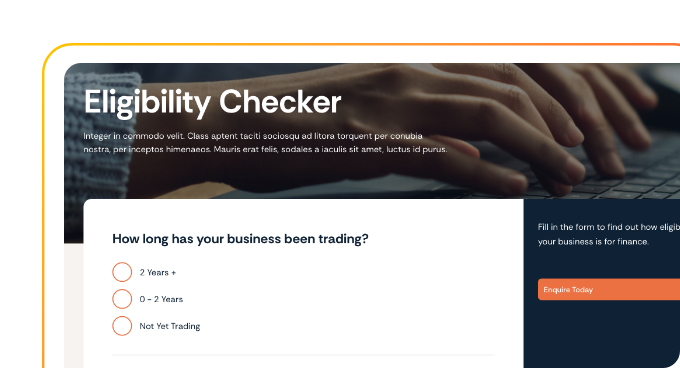
- Check your eligibility with our commitment-free eligibility checker
- Calculate your repayments using our online calculators
- Book a discovery call with one of our experienced Account Managers
Whether you choose a business loan, explore other financing options, or decide that credit cards better suit your immediate needs, we’re here to ensure you have all the information needed to make the right choice.

Applying for a Business Loan
If you want to learn more, you can head to our dedicated Business Loans pages. Or, if you have all the information you need, you can skip straight ahead and book a call with our friendly team. We can’t wait to support your ambitions and build your business!
Bottom Line Up Front: Equipment finance allows UK businesses to acquire essential assets without large upfront costs, spreading payments over manageable monthly instalments whilst preserving working capital for growth opportunities.
Disclaimer: Origin Finance is not a financial advisor, and we therefore offer the following guide for general information purposes only – it does not constitute advice in any shape or form. We recommend that you seek advice from a professional service before applying for any kind of business finance after reading this guide.
Understanding Equipment Finance
When your business needs new equipment, machinery, or technology, the choice between depleting your cash reserves or missing out on growth opportunities doesn’t have to be a difficult one. Equipment finance offers a practical solution that allows you to acquire the assets your business needs whilst maintaining healthy cash flow.
At Origin Finance, we’ve helped thousands of UK businesses secure equipment funding across every sector imaginable – from AstroTurf installations to high-tech manufacturing machinery. Our experience shows that the right equipment finance solution can be the difference between a business that thrives and one that simply survives.
What is Equipment Finance?
Equipment finance, also known as asset finance, is a funding solution that enables businesses to acquire essential equipment, machinery, vehicles, and other assets through structured payment plans rather than large upfront purchases. The equipment itself typically serves as security for the finance, making it an accessible option for businesses across all sectors.
The beauty of equipment finance lies in its versatility. Whilst many business owners think it’s limited to traditional items like vehicles or IT equipment, the reality is far more flexible. We’ve arranged funding for everything from restaurant fit-outs and medical equipment to renewable energy installations and even intangible assets like software and branding.
Types of Equipment Finance Available
Equipment finance encompasses several different structures, each designed to meet specific business needs:
- Hire Purchase (HP)
With hire purchase, you pay an initial deposit followed by fixed monthly payments over an agreed term. Once all payments are complete, you own the asset outright. This option provides certainty and eventual ownership, making it popular with businesses planning long-term use of equipment. - Finance Lease
A finance lease allows you to use equipment for most of its useful life whilst making regular payments. At the end of the term, you typically have options to purchase the asset for a nominal fee, return it, or extend the lease. This structure often offers tax advantages as lease payments may be fully offset against corporation tax. - Operating Lease
Operating leases are ideal for equipment that requires regular updates or has rapid technological advancement. You use the equipment for a portion of its life and return it at the end, often with upgrade options. This keeps you current with technology without ownership responsibilities. - Equipment Refinancing
If your business already owns valuable equipment, refinancing allows you to release working capital whilst retaining full use of your assets. You’ll typically receive up to 80% of the equipment’s value, providing immediate funds for growth opportunities whilst keeping the assets you depend on.
Industries That Benefit from Equipment Finance
Equipment finance serves businesses across every sector, each with unique requirements:
- Manufacturing and Construction companies rely on equipment finance for heavy machinery, plant equipment, and specialised tools. With facilities starting from £10,000 and terms up to seven years, manufacturers can acquire everything from precision instruments to complete production lines.
- Healthcare providers use equipment finance for medical devices, diagnostic equipment, and practice fit-outs. From GP surgeries acquiring blood pressure monitors to dental practices investing in digital X-ray systems, healthcare equipment finance supports both established practices and new medical startups.
- Agriculture businesses depend on equipment finance for tractors, harvesting equipment, and livestock facilities. Given the seasonal nature of farming, we can arrange seasonal payment structures that align with harvest cycles and cash flow patterns.
- Transport and logistics operations finance vehicle fleets, warehouse equipment, and loading systems. Whether expanding existing fleets or transitioning to electric vehicles, equipment finance supports operational growth whilst managing cash flow.
- Technology companies utilise equipment finance for servers, software installations, and office fit-outs. As technology evolves rapidly, operating leases often provide the flexibility to upgrade whilst maintaining competitive advantages.
Finance for Equipment
What equipment can Origin help to fund?
We can help businesses to fund equipment of all shapes and sizes, across a wide range of sectors.
The Key Benefits of Equipment Finance
Equipment finance encompasses several different structures, each designed to meet specific business needs:
- Preserve Working Capital
Rather than depleting cash reserves on equipment purchases, businesses can maintain liquidity for operational expenses, emergency funds, and unexpected opportunities. This financial flexibility often proves crucial during challenging trading periods or when quick decisions are required. - Predictable Monthly Payments
Fixed monthly payments allow accurate budgeting and cash flow forecasting. Unlike variable interest rate arrangements, you know exactly what you’ll pay each month, making financial planning straightforward and reliable. - Tax Efficiency
Equipment finance often provides tax advantages through allowable deductions on lease payments or capital allowances on purchased assets. These benefits can significantly reduce the true cost of equipment acquisition whilst supporting business growth. - Access to Latest Technology
Rather than making do with outdated equipment due to cost constraints, finance enables businesses to acquire current technology that improves efficiency, productivity, and competitiveness. - Flexible Payment Structures
Seasonal businesses can arrange payment schedules that reflect their cash flow patterns – higher payments during peak periods and reduced payments during quieter months. This flexibility helps smooth cash flow throughout the year.
What Can You Finance?
The scope of equipment finance extends far beyond traditional machinery. Recent examples from our client base include:
- Manufacturing: CNC machines, 3D printers, quality control equipment, production line automation
- Hospitality: Commercial kitchen equipment, furniture, POS systems, renewable energy installations
- Healthcare: MRI scanners, dental chairs, practice management software, building renovations
- Retail: Store fit-outs, checkout systems, refrigeration units, security equipment
- Professional Services: IT infrastructure, office furniture, company vehicles, communication systems
We can even finance installation costs, delivery charges, and implementation expenses, providing a complete funding solution for your equipment needs.
The Origin Finance Advantage
At Origin Finance, we don’t just offer products – we offer expertise. Our team of commercial finance veterans understands that every business is unique. We’ll assess your specific requirements, budget, and credit profile to connect you with the most suitable lender from our extensive panel.
The Application Process: Simple and Straightforward
Applying for equipment finance doesn’t need to be complicated. Our streamlined process typically follows these steps:
- Initial Consultation: We discuss your equipment needs, business goals, and budget requirements. This conversation helps us understand your situation and identify suitable finance options.
- Quotation and Structure: Based on your needs, we present finance options from our panel of over 120 lenders, including rates, terms, and payment structures that match your requirements.
- Application Submission: Once you’ve chosen your preferred option, we guide you through the application process, ensuring all documentation is complete and accurate.
- Lender Assessment: Our lender partners evaluate your application, considering factors beyond just credit scores – including business performance, equipment value, and growth prospects.
- Approval and Funding: Upon approval, we arrange payment directly to your chosen suppliers, whether they’re UK-based or international. We can even mirror your agreed payment terms with suppliers.
Eligibility and Requirements
Equipment finance is accessible to businesses across all sectors and sizes. Key factors lenders consider include:
- Business trading history – whilst established businesses have advantages, we regularly secure funding for startups and newer enterprises
- Financial stability – demonstrated through management accounts, cash flow projections, and business plans
- Equipment type and value – most tangible and many intangible assets qualify, with minimum facilities typically starting at £10,000
- Intended use – equipment must be for legitimate business purposes that support operations or growth
Don’t let limited credit history discourage you from applying. We evaluate applications holistically, considering business potential alongside financial history.
Choosing the Right Equipment Finance Option
Selecting appropriate equipment finance depends on several factors:
- Asset lifespan and usage patterns influence whether hire purchase, leasing, or refinancing suits your needs. Equipment with long useful lives often suits hire purchase, whilst rapidly evolving technology might benefit from operating leases.
- Cash flow requirements determine payment structures and terms. Businesses with seasonal patterns need flexible arrangements, whilst those with steady income can benefit from standard monthly payments.
- Tax considerations vary by business structure and equipment type. Professional expertise ensures you maximise available benefits whilst meeting compliance requirements.
- Growth plans affect finance terms and future flexibility needs. Businesses planning expansion might prefer arrangements that accommodate equipment additions or upgrades.
Common Misconceptions About Equipment Finance
Many business owners harbour misconceptions that prevent them from exploring equipment finance options:
“It’s only for big purchases” – In reality, we arrange finance for purchases as small as £10,000, making it accessible for smaller equipment needs and emerging businesses.
“Interest rates are too high” – Equipment finance rates are often competitive with other business funding options, particularly when tax benefits are considered. Our rates start from 3.40% for asset finance.
“The application process is too complex” – Modern equipment finance applications are streamlined and supported by experienced account managers who guide you through each step.
“It’s inflexible once arranged” – Many agreements allow overpayments, early settlement, or equipment additions during the term, providing operational flexibility.
Choosing the Right Equipment Finance Option
To maximise equipment finance benefits:
Plan ahead – Early discussions allow time to structure optimal arrangements and secure competitive rates before equipment is urgently needed.
Consider total cost of ownership – Factor in maintenance, insurance, and operational costs alongside finance payments when evaluating options.
Maintain relationships – Working with experienced brokers provides ongoing support and access to competitive funding solutions as your equipment needs evolve.
Review regularly – As your business grows and changes, equipment finance arrangements should be reviewed to ensure they continue meeting your needs effectively.
Why Choose Origin Finance for Equipment Finance?
At Origin Finance, we do things differently. Our team comprises commercial finance veterans who understand that businesses need support from real people, not computer algorithms. We’re committed to educating rather than selling – whether we secure your business or not, we want to leave you in a more knowledgeable position.
With access to over 120 lenders from high street banks to specialist providers, we find solutions that traditional approaches often miss. Our dedicated account managers become your sole point of contact, ensuring consistent service throughout your finance journey.
Most importantly, we understand that every business is unique. Cookie-cutter solutions don’t work when your success depends on getting exactly the right equipment at the right time with the right payment structure.
Ready to Explore Your Options?
At Origin Finance, we’re here to guide you through the process without the fuss. Our approach is simple: we educate rather than sell, ensuring you make the best decision for your business’s future.
- Check your eligibility with our commitment-free eligibility checker
- Calculate your repayments using our online calculators
- Book a discovery call with one of our experienced Account Managers
Whether you choose a business loan, explore other financing options, or decide that credit cards better suit your immediate needs, we’re here to ensure you have all the information needed to make the right choice.
Applying for a Business Loan
If you want to learn more, you can head to our dedicated Business Loans pages. Or, if you have all the information you need, you can skip straight ahead and book a call with our friendly team. We can’t wait to support your ambitions and build your business!
Business Loans vs. Credit Cards: Making the Right Choice for Your Business
When it comes to financing your business, you’re faced with a wealth of options. Two of the most common funding solutions that land on every business owner’s desk are business loans and credit cards. But which one is right for your business? At Origin Finance, we believe in educating rather than selling, so let’s break down the key differences to help you make an informed decision.
Disclaimer: Origin Finance is not a financial advisor, and we therefore offer the following guide for general information purposes only – it does not constitute advice in any shape or form. We recommend that you seek advice from a professional service before applying for any kind of business finance after reading this guide.
Understanding Business Loans: The Foundation of Growth
Business loans offer unparalleled flexibility for established businesses looking to make significant investments. Funds are paid directly into your nominated business bank account and can then be used however you see fit. Whether you’re covering working capital, rent deposits, management buyouts, funds for upcoming projects, or paying VAT and tax bills, business loans provide the financial foundation your business needs to thrive.
Any loans agreed under GGS are 70% guaranteed by the government, making it easier for smaller businesses to access funding as the economy continues to recover. At present, the scheme is open until March 31st, 2026.
This guarantee means that, if your business defaults on the funding, the accredited lender can recall 70% from the government. From your perspective, as a borrower, you are still 100% responsible to pay back any debt due – which is why it’s always vital to check any small print that might apply.
You can access GGS funding in the form of invoice finance, overdrafts, asset finance, and term loans. In Great Britain, funding through invoice financing starts from £1,000, and each business group can access £25,001 to £2 million. Within the NI protocol, the minimum remains the same, but you’re capped at a maximum of £1 million.
Key Benefits of Business Loans:
- Fixed repayment terms up to seven years with monthly payments
- Competitive interest rates starting from 5.99% at Origin Finance
- Higher borrowing limits typically ranging from £10,000 to £2 million
- No restrictions on usage – use the funds however your business needs them
- Build business credit with regular, on-time payments
The application process is straightforward, and with the right broker, you can access over 120 lenders from high street banks to niche providers. This means you’re not limited to just one lender’s criteria – we’ll find the right fit for your business profile and requirements.
Business Credit Cards: The Convenience Factor
Business credit cards offer immediate access to funds and can be particularly useful for smaller, short-term expenses. They’re ideal for managing cash flow gaps, purchasing supplies, or covering unexpected costs that arise in day-to-day operations.
Key Benefits of Business Credit Cards:
- Instant access to funds up to your credit limit
- Flexible repayment options (though minimum payments are required)
- Rewards and cashback on business purchases
- Expense tracking and reporting features
- Building business credit when managed responsibly
Business credit cards typically come with higher interest rates and lower credit limits compared to business loans, making them less suitable for significant investments or long-term financing needs.
The Cost Comparison: What You Really Pay
This is where the numbers tell the real story. While business credit cards might seem convenient, they often come with significantly higher costs:
Business Loans:
- Interest rates from 5.99% depending on your business profile
- Fixed monthly repayments over 1-7 years
- No ongoing fees for most products
- Total cost of borrowing is clear from day one
Business Credit Cards:
- Interest rates typically range from 15% – 50% APR
- Variable monthly repayments based on balance
- Annual fees, transaction fees, and penalty charges
- Compound interest can significantly increase total costs
For larger amounts over extended periods, business loans almost always prove more cost-effective than credit cards.
Which Option Suits Your Business?
Choose a Business Loan When:
- You need funding above £10,000
- You’re making a significant investment in equipment, premises, or growth
- You want predictable, fixed monthly repayments
- You’re looking for the most cost-effective long-term financing
- You need funds for working capital, acquisitions, or major projects
Choose a Business Credit Card When:
- You need smaller amounts (typically under £5,000)
- You want flexibility to pay off the balance quickly
- You’re covering short-term cash flow gaps
- You want to earn rewards on business purchases
- You need a backup funding source for unexpected expenses
The Origin Finance Advantage
At Origin Finance, we don’t just offer products – we offer expertise. Our team of commercial finance veterans understands that every business is unique. We’ll assess your specific requirements, budget, and credit profile to connect you with the most suitable lender from our extensive panel.
Why Choose Origin Finance for Your Business Loan:
Business credit cards offer immediate access to funds and can be particularly useful for smaller, short-term expenses. They’re ideal for managing cash flow gaps, purchasing supplies, or covering unexpected costs that arise in day-to-day operations.
- Access to over 120 lenders, including those who only accept broker applications
- Experienced dedicated Account Manager as your sole point of contact
- Business loan rates starting from 5.99% with terms up to seven years
- No broker fees – we’re remunerated directly by lenders
- Applications assessed within hours, funding available within 24-72 hours
Making the Right Decision
The choice between business loans and credit cards isn’t always black and white. Many successful businesses use both as part of a comprehensive funding strategy. A business loan might fund your major growth initiatives, while a credit card handles day-to-day operational expenses and provides a financial safety net.
The key is understanding your business’s specific needs, cash flow patterns, and growth objectives. Don’t let the convenience of credit cards mask their true cost, and don’t assume that business loans are out of reach for your business.
Ready to Explore Your Options?
At Origin Finance, we’re here to guide you through the process without the fuss. Our approach is simple: we educate rather than sell, ensuring you make the best decision for your business’s future.
- Check your eligibility with our commitment-free eligibility checker
- Calculate your repayments using our online calculators
- Book a discovery call with one of our experienced Account Managers
Whether you choose a business loan, explore other financing options, or decide that credit cards better suit your immediate needs, we’re here to ensure you have all the information needed to make the right choice.
Applying for a Business Loan
If you want to learn more, you can head to our dedicated Business Loans pages. Or, if you have all the information you need, you can skip straight ahead and book a call with our friendly team. We can’t wait to support your ambitions and build your business!